Start with how the toilet will be used
Think about the daily pattern of activity before choosing a rental. A unit serving a few tradespeople over several weeks faces different demands from one used by guests during a concentrated afternoon. Describe the expected attendance, operating hours, project length, and any existing restrooms that people may also use. If participation is uncertain, explain that uncertainty instead of choosing a quantity from a rough guess.
It also helps to identify who is responsible for the rental. A homeowner, site supervisor, or event organizer should be available to answer delivery questions and report changing needs. One clear point of contact keeps instructions consistent, especially when multiple contractors or family members are involved.
Understand the basic option before adding features
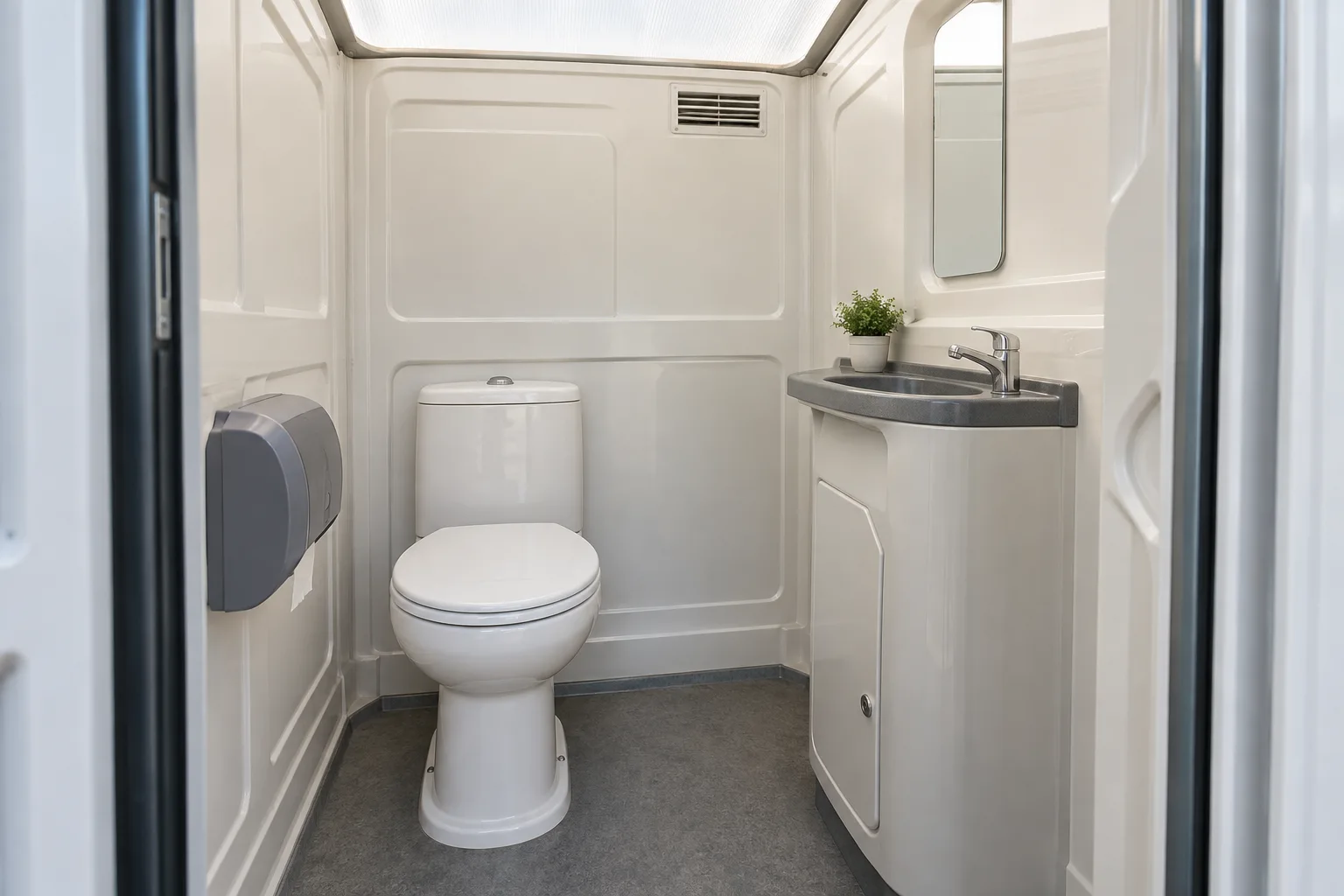
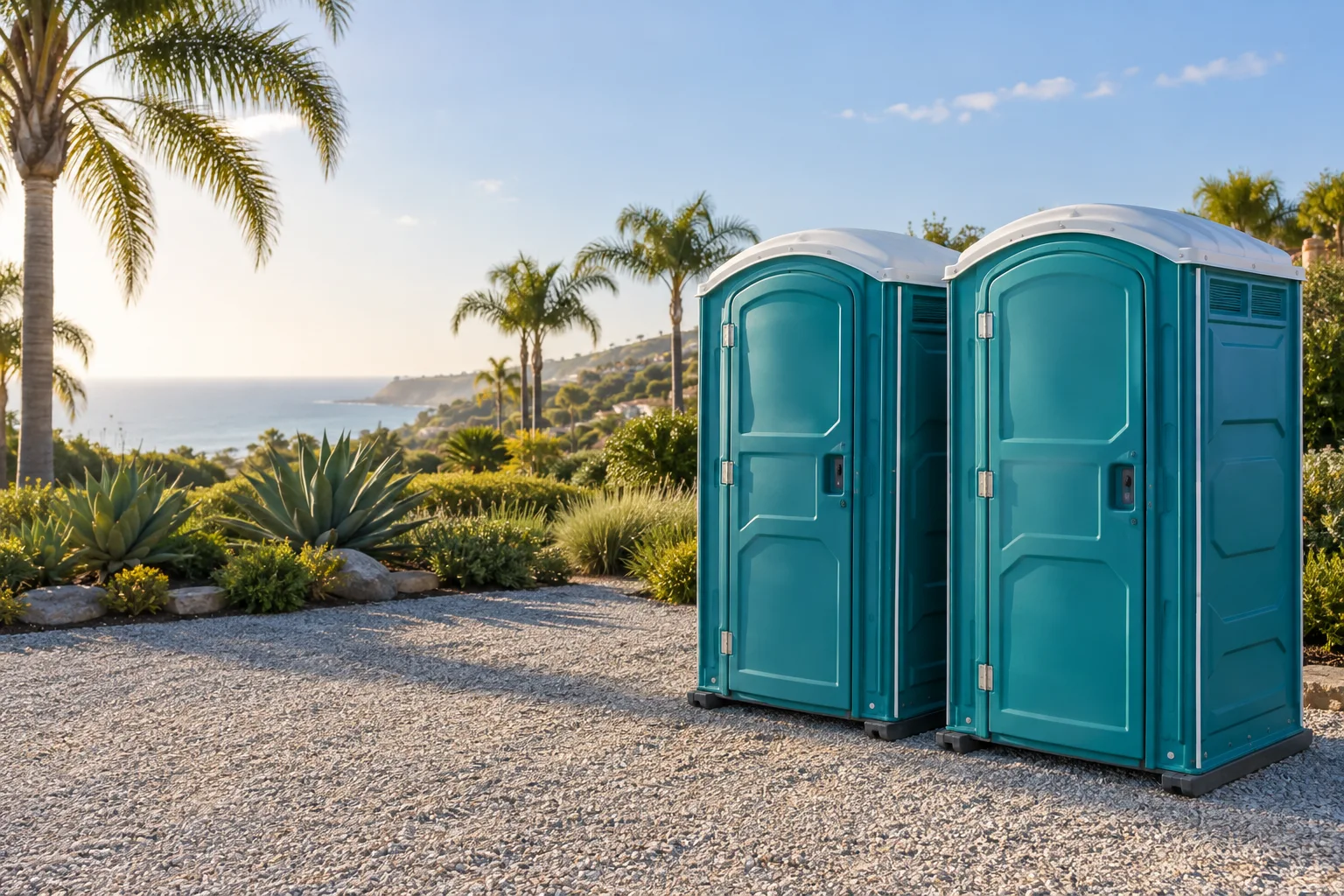
Standard units are typically considered when the priority is a dedicated toilet in an outdoor setting. Exact layouts and included features depend on the model offered, so confirm what is part of your quote. Ask about ventilation, the door latch, paper storage, and the arrangement inside. If you are comparing options, focus on the features your users will actually need rather than choosing by a label alone.
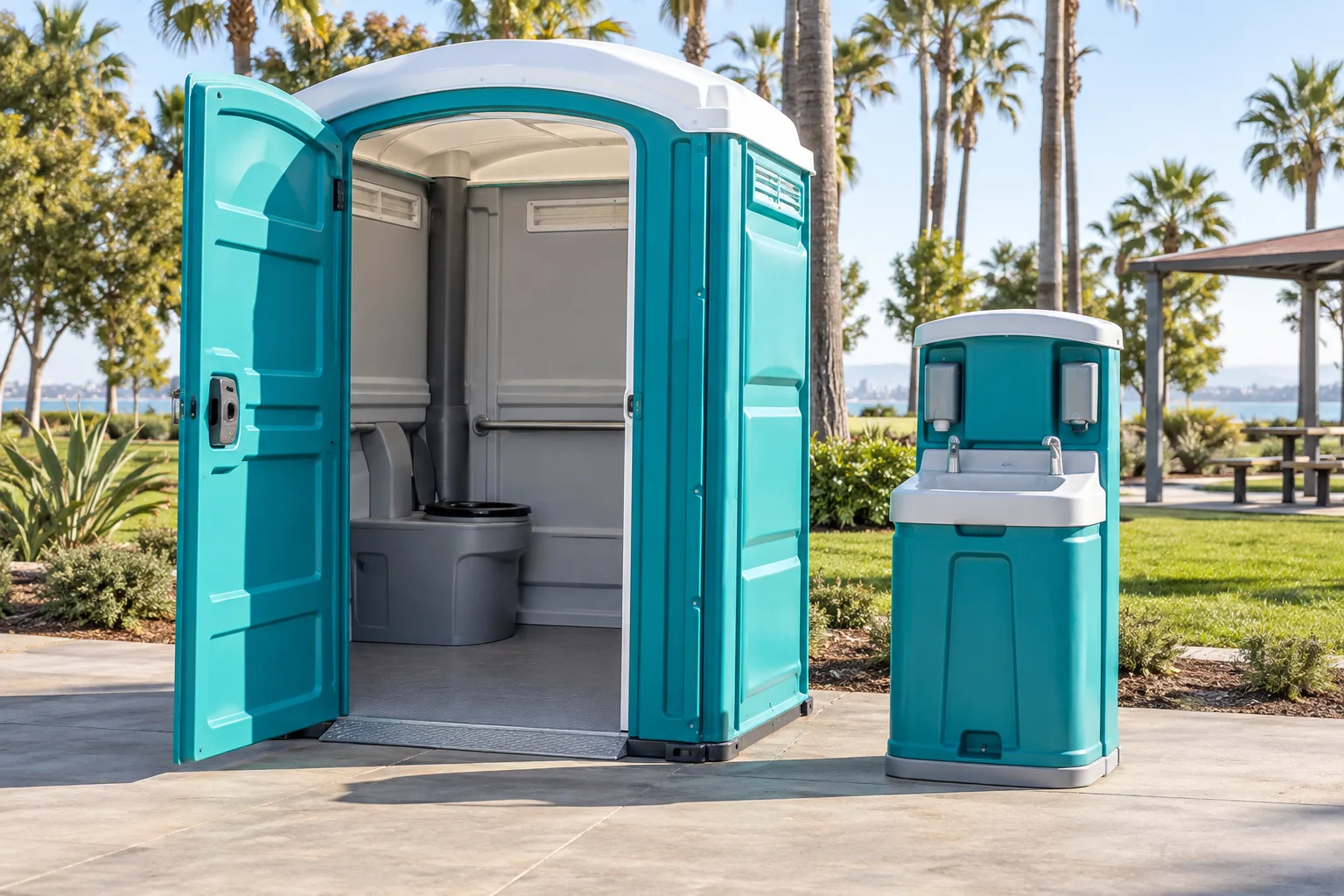
A standard unit may not address every requirement at a site. Handwashing can require a separate station, and guests with mobility needs may require a different toilet arrangement. Tell us about these needs early so the available options can be discussed together.
Choose a stable, convenient location
A useful location is close enough that people will actually use the toilet, while leaving room for ordinary movement around the site. Look for a firm, reasonably level area with a clear approach. Consider how doors, gates, parked vehicles, and stored materials will affect access throughout the rental. A location that works before construction starts may become awkward once supplies arrive.
In Laguna Niguel, a residential driveway, shared access lane, or sloped yard can introduce different placement questions. Describe the ground surface and any changes in elevation. If placement involves property you do not control, arrange the necessary property-owner or site approvals before committing to that location.
Give delivery access the same attention as placement
The toilet location and the delivery route both matter. Before scheduling, explain whether the property has a gate, restricted entry hours, a narrow drive, low branches, or a turn that larger vehicles may find difficult. Photos can make these conversations clearer, particularly when a street view does not show the final approach. Share any access instructions that a driver would not be able to infer on arrival.
Keep the route open on delivery day and make sure someone can resolve unexpected questions. Avoid assuming the driver can move obstacles or carry equipment through a house. Confirm the proposed placement and handling arrangements as part of the reservation discussion.
Match servicing to the way the site operates
Service planning should reflect actual use, rental length, and the conditions around the toilet. Discuss the anticipated pattern with the rental team and confirm which visits are included in the quote. Ask what each visit covers, how access will be arranged, and how to request a review if usage increases. A clear service plan is more useful than an unexplained promise of regular attention.
Between visits, a designated contact can notice low supplies, blocked access, or a unit that needs attention. Keep construction waste, household rubbish, and other unsuitable materials out of the toilet. Promptly report problems instead of asking users to work around a condition that has become uncomfortable.
Make hand hygiene part of the setup
Plan how people will clean their hands after using the restroom. Do not assume that a standard toilet includes a handwashing basin or that another facility will remain accessible during the rental. A separate handwashing station may suit the arrangement, depending on the options available. Discuss where it should stand so users can reach it without crossing active work areas or interrupting a line.
Confirm what supplies and replenishment are included with any hand hygiene equipment. If the site has public access, food activity, or a managed event program, check the applicable requirements with the responsible organizer or authority. Rental equipment should be selected around the confirmed plan.
Read the quote around the whole rental
The total cost can depend on the model, quantity, rental period, servicing arrangements, delivery location, and access conditions. Extensions, changes in service frequency, or a pickup that cannot be completed as arranged may affect the final amount. Ask for a written description of what is included and how changes will be handled. That gives you a more useful comparison than looking only at an initial rental figure.
Describe any schedule uncertainty at the beginning. If a renovation could run beyond the estimated finish date, ask how an extension is requested and priced. A flexible project plan still needs a clear process for updating the rental.
Reserve with pickup already in mind
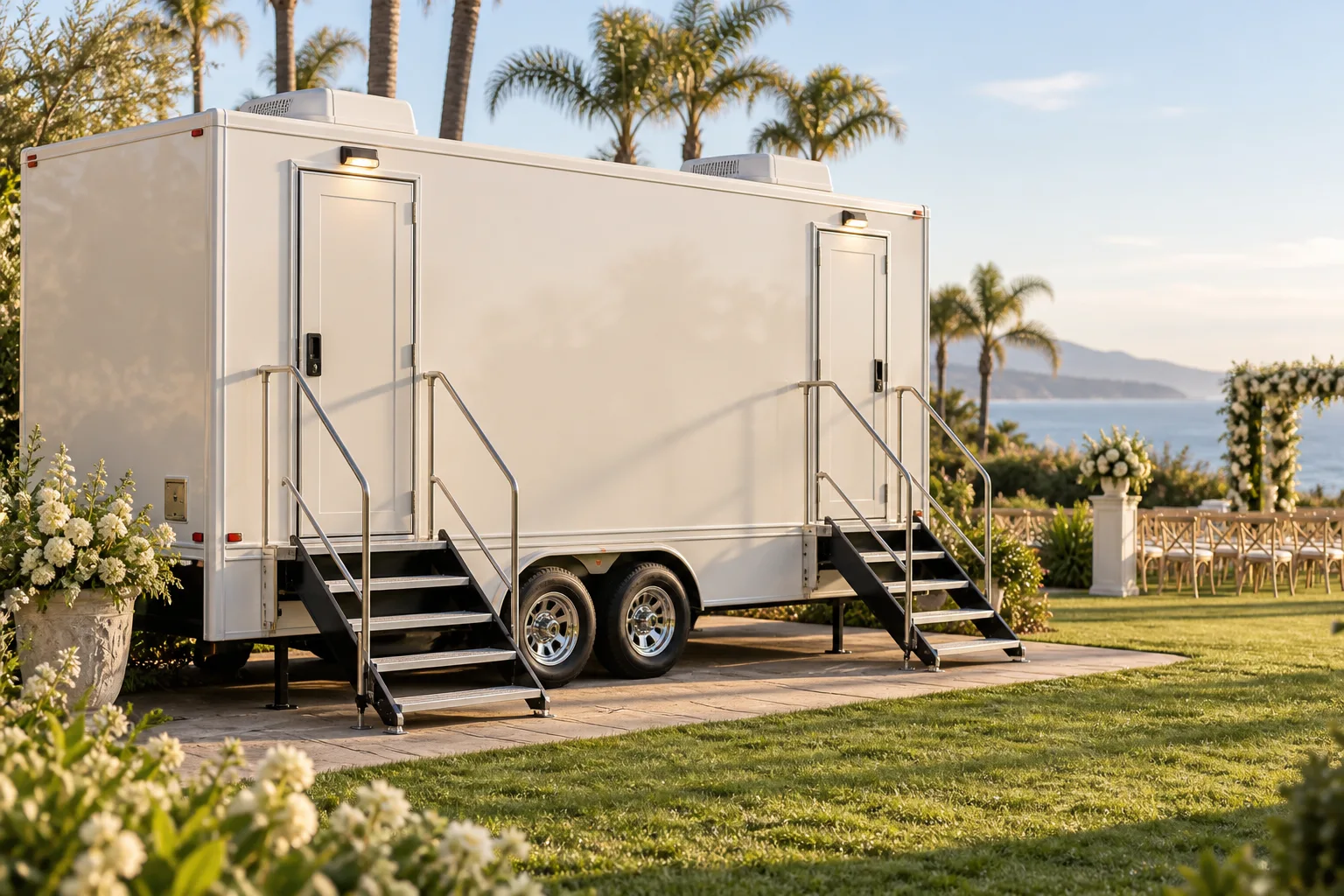
Have the site address, requested dates, contact details, anticipated use, and placement notes ready when you enquire. Tell us whether the toilet is supporting a private project or a gathering with a fixed start time. Booking requests are subject to availability, and delivery timing should be confirmed directly rather than assumed from the date alone.
Before the rental ends, confirm whether pickup has been scheduled and leave the route accessible. Do not move the unit yourself to make room for another delivery. For planning assistance, call (949) 844-2660 or email contact@lagunaniguelportapotty.com. Regular business hours are Monday through Saturday, 7am to 7pm.
Planning nearby? Explore our Orange County service-area guides or compare all eight rental services.