Ask about needs without making assumptions
People use mobility aids and restroom facilities in different ways. When possible, invite the person who will use the restroom, or an appropriate representative, to explain what would make the arrangement workable. They may have questions about entry, turning space, support features, door operation, or the location of supplies. You do not need to request private medical information to discuss these practical requirements.
For a public gathering, you may not know each attendee in advance. Give the rental team a clear description of the audience and setting, and discuss what information you need about available equipment. Keep accessibility in the main planning conversation from the beginning.
Review the actual model being proposed
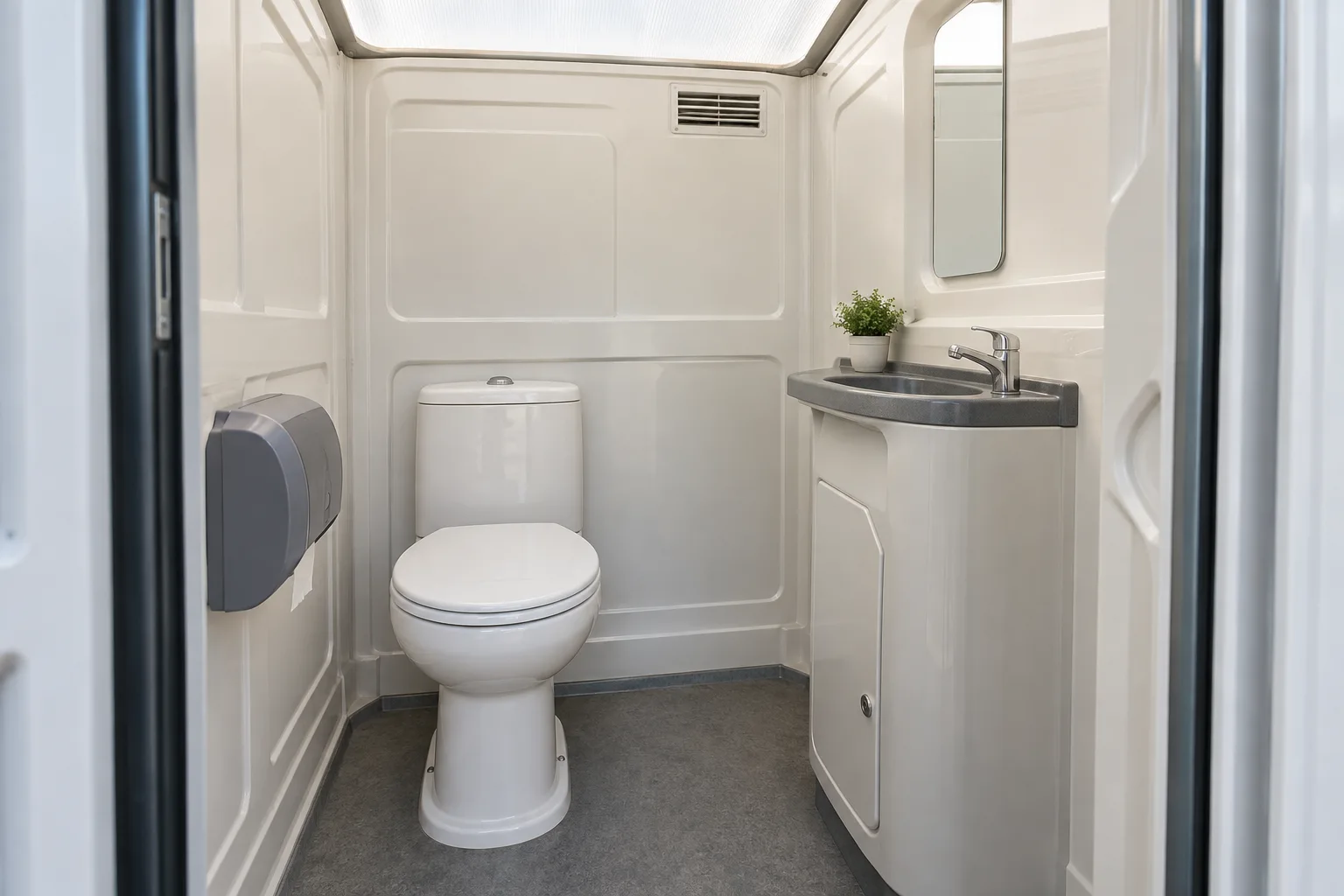
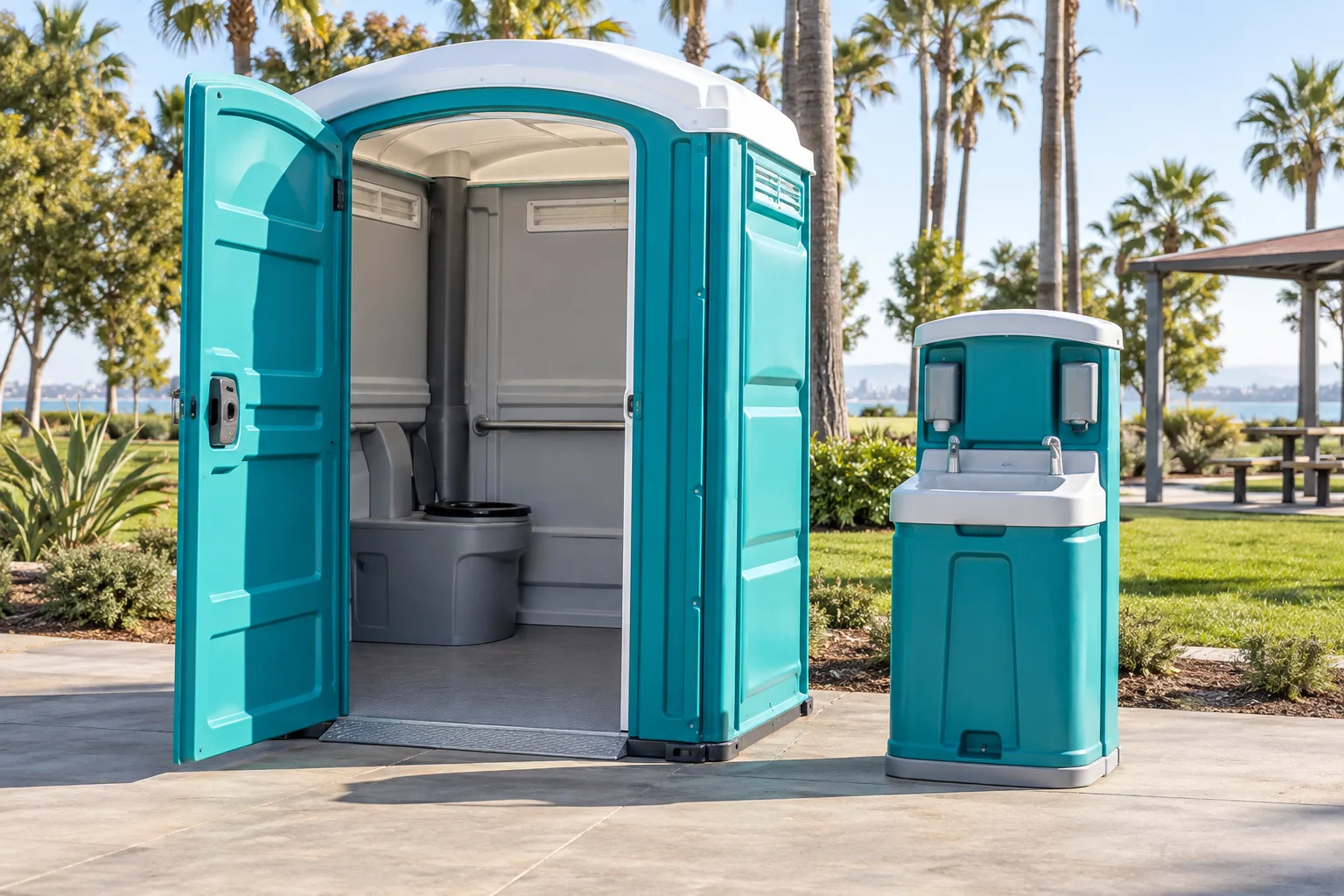
Ask for the specifications of the unit offered for your dates. Useful details may include the entry arrangement, doorway, interior layout, handrails or other support features, and the position of the toilet and supplies. A broad description such as accessible or spacious should lead to questions, not end them. Confirm which features are present on the actual model included in the quote.
Equipment descriptions alone do not establish legal compliance or suitability for every user. Where your project or event has particular accessibility obligations, work with the responsible organizer, property manager, or qualified adviser to confirm them. The rental plan should respond to those confirmed requirements.
Walk the complete route to the restroom
Start at the place where people will spend their time and follow the path to the proposed toilet. Notice narrow passages, steps, loose ground, uneven transitions, steep sections, and objects that reduce usable space. Think about how the route changes when chairs, tables, parked vehicles, or construction materials are added. A suitable unit cannot solve a route that prevents someone from reaching it.
Laguna Niguel properties may have sloped approaches, landscaped terraces, or shared access paths. Describe these conditions rather than simply saying that the site has room. Photos of the complete approach and the placement area can make early discussions more productive.
Protect the entry area during the rental
Leave the approach and doorway free of objects that could obstruct use. Decorations, waste containers, hoses, tools, or a temporary sign can unintentionally interfere with access after the equipment has been placed. Include the restroom area in setup instructions so other suppliers understand why it needs to remain clear. Consider how people waiting nearby will affect someone approaching the door.
If the site layout changes, review the route again. A delivery of building materials or an adjustment to event seating can create a new obstacle. Appoint a contact who can address site issues promptly and contact the rental team if the unit itself requires attention.
Plan handwashing with the same care
The handwashing arrangement should be reviewed alongside the toilet, including its position, approach, controls, and the location of soap and drying supplies. Ask about suitable equipment options rather than assuming a nearby station will be easy for everyone to use. If handwashing is provided somewhere else on the property, verify that the route and access remain available throughout the event or workday.
Consider the whole sequence from leaving the activity to returning after using the restroom. An arrangement that sends someone across rough ground or through a crowd to wash their hands may need adjustment. Small layout decisions can make a meaningful difference to everyday usability.
Discuss a balanced restroom arrangement
An accessible unit can be part of a wider rental that also includes standard toilets, deluxe units, or other equipment. Explain the expected use and the location of each activity area so the rental team can help discuss the overall arrangement. Avoid treating the accessible option as an isolated item to place wherever space remains after everything else has been organized.
Clear, respectful wayfinding helps attendees locate the available facilities. If an event team plans signs or guest information, base the descriptions on confirmed equipment details. Do not advertise a particular accessibility feature until it has been verified for the model and setup being provided.
Confirm access for delivery and service
Accessible portable units can have different handling and placement requirements from smaller models. Ask what space is needed for the offered equipment and how the delivery team will reach the selected location. Provide gate information, surface conditions, and details about any turn or overhead obstruction on the route. The equipment location must also allow the agreed servicing and eventual collection.
Arrange for a site contact to be reachable during the confirmed delivery window. Once the unit is placed, keep its service route available. If you believe it needs to move, contact the rental team first so the new location and handling can be reviewed.
Put the reviewed details into the reservation
Your written rental confirmation should identify the selected equipment, rental dates, location, service arrangements, and any agreed additions. Pricing can depend on the model, availability, duration, delivery conditions, and servicing needs. Ask how changes or extensions are handled, especially when a project schedule is uncertain or a venue layout is still being finalized.
To begin the discussion, call (949) 844-2660 or email contact@lagunaniguelportapotty.com. Regular hours are Monday through Saturday, 7am to 7pm. Explain any fixed event deadlines and request confirmation of the relevant arrangements. After-hours availability has not been confirmed and should not be assumed.
Planning nearby? Explore our Orange County service-area guides or compare all eight rental services.