Include restrooms in site mobilization
Before workers arrive, identify where the restroom will stand and who will coordinate its delivery. Put the location on the site plan alongside material storage, work access, waste handling, and temporary barriers. Consider the complete rental period rather than choosing a spot simply because it is empty today. The first convenient corner may become the next staging area once demolition or deliveries begin.
Provide the project address, expected start date, anticipated duration, and a reliable contact. If site access depends on a supervisor, property manager, or homeowner, arrange those details ahead of time. Confirm delivery timing directly before adding it to the mobilization schedule.
Describe the crew pattern, not just a headcount
The number of people on site matters, but so do their hours and the way the job is staffed. Explain whether one crew works consistently or several trades overlap during certain phases. Mention longer workdays, weekend activity, and any existing restrooms that workers can actually use. This gives the rental team a clearer basis for discussing equipment and service.
Update the plan when the work changes. A small team preparing a property may be followed by a busier period with multiple contractors. Let the rental team know before that increase when possible, so additional equipment or revised servicing can be discussed subject to availability.
Place the unit around real site movement
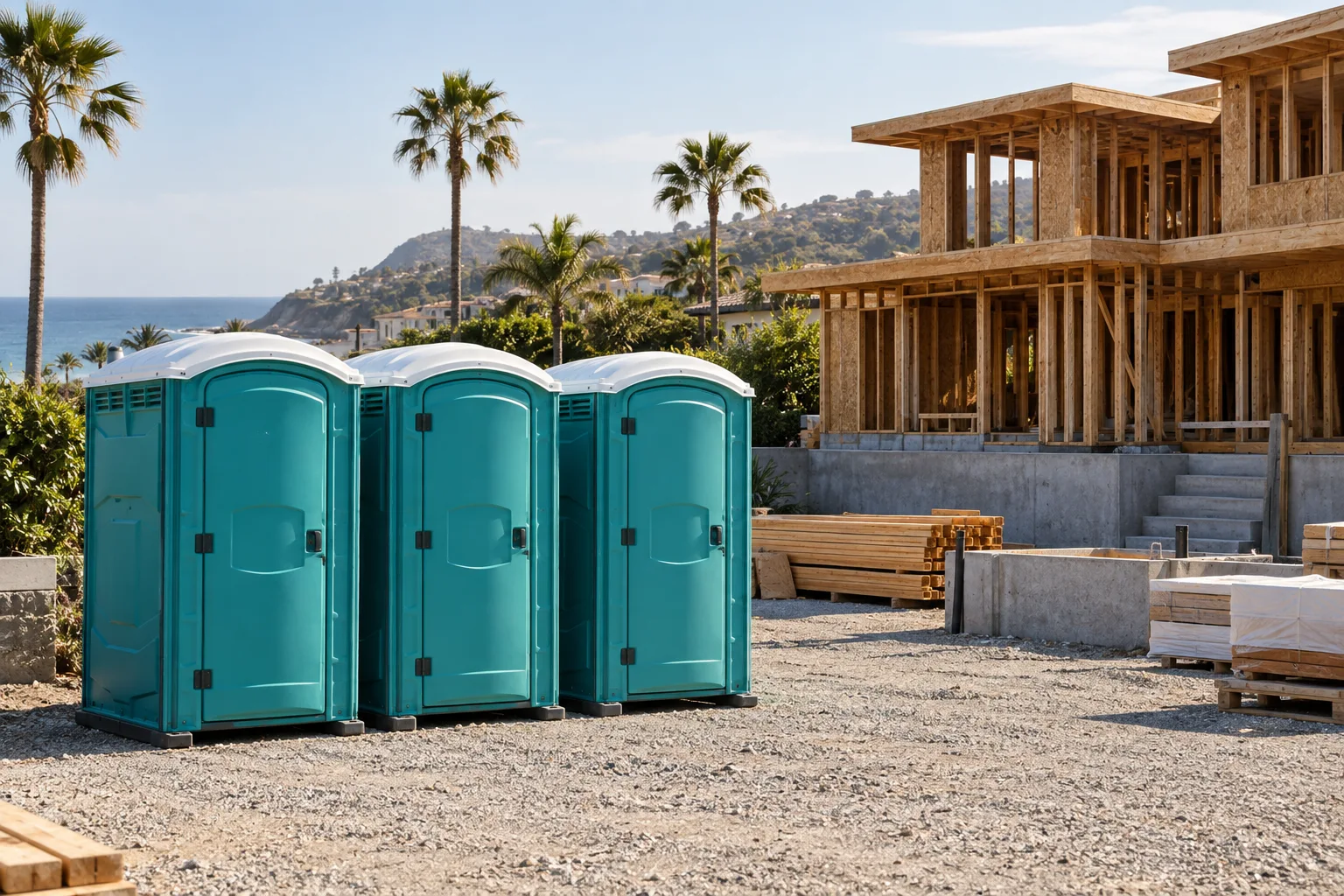
A restroom should be convenient for workers without interfering with vehicles, equipment, or active work. Review how people will approach it and whether the route crosses material handling areas or becomes blocked by parked trucks. Look for a firm, reasonably level location and describe the surface before placement is agreed. Leave the door and the surrounding approach free of stored items.
Laguna Niguel residential projects can involve narrow driveways, sloped access, and neighbors sharing an entry route. Explain those conditions early. If a location involves shared or public space, confirm the necessary permissions with the responsible parties instead of treating an open patch as automatically available.
Keep a dependable route for servicing
The unit needs to remain accessible for the service arrangement you agree to. Temporary fencing, stockpiled materials, locked gates, and vehicles can make a previously workable location difficult to reach. Tell the rental team about site entry procedures and identify who can provide access. If access hours change, communicate the new instructions before the next planned visit.
Include restroom access in routine site coordination. A quick check before major deliveries can prevent the service route from being buried behind pallets or waste containers. If a visit cannot proceed because the site is inaccessible, ask how rescheduling and any related charges will be handled under your rental terms.
Coordinate maintenance with changing use
Ask which servicing is included, what each visit covers, and how to request an adjustment. Rental duration alone does not tell the whole story: a unit used lightly during an early phase may face heavier use when several trades overlap. Report that change rather than relying indefinitely on the original assumptions. The service discussion should follow the current conditions on the job.
Choose a site contact who can notice supply levels, report equipment issues, and keep instructions consistent. Make clear that construction debris and other unsuitable materials do not belong in the toilet. Contact the rental team about problems instead of attempting repairs or adding unapproved substances.
Plan for handwashing and different users
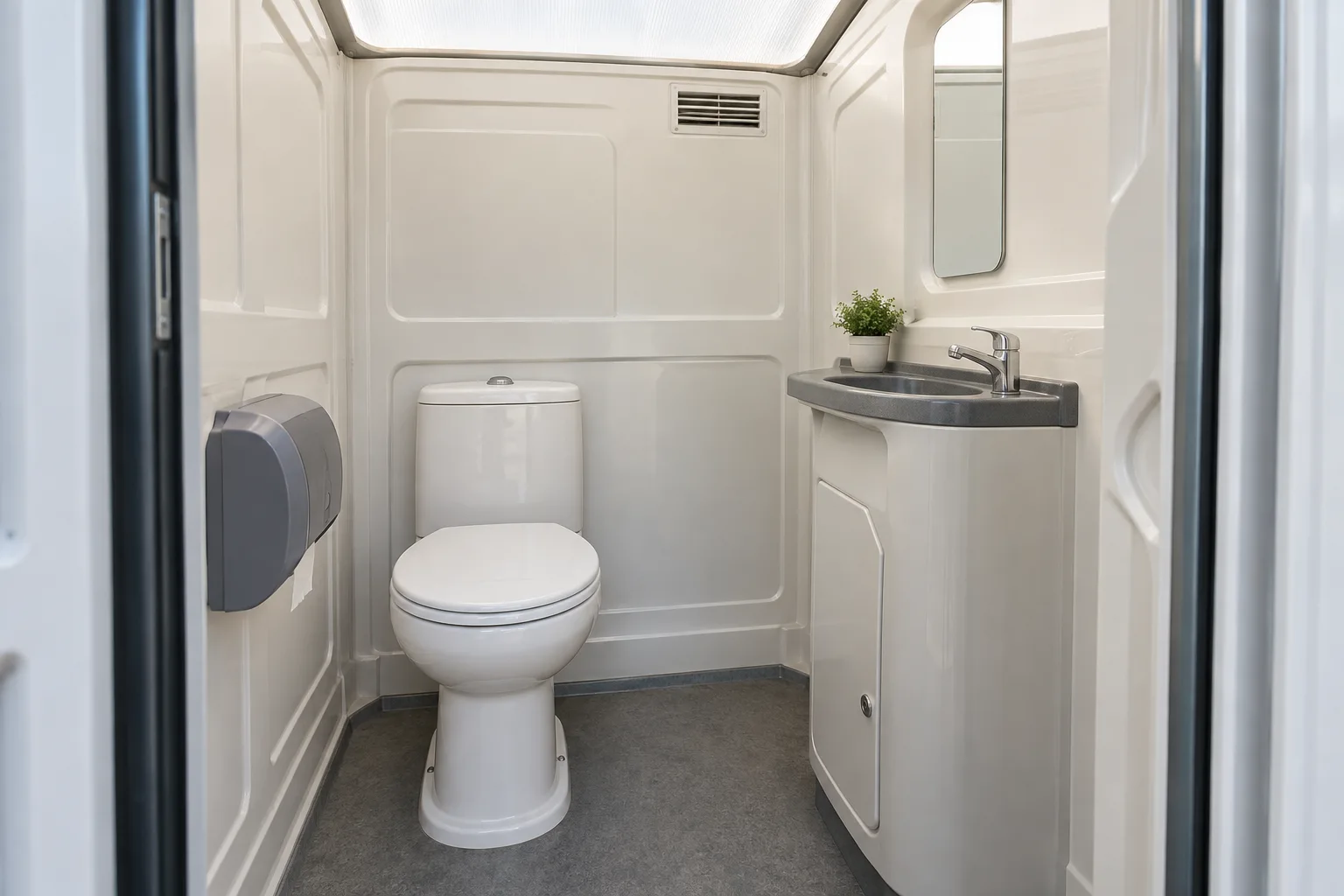
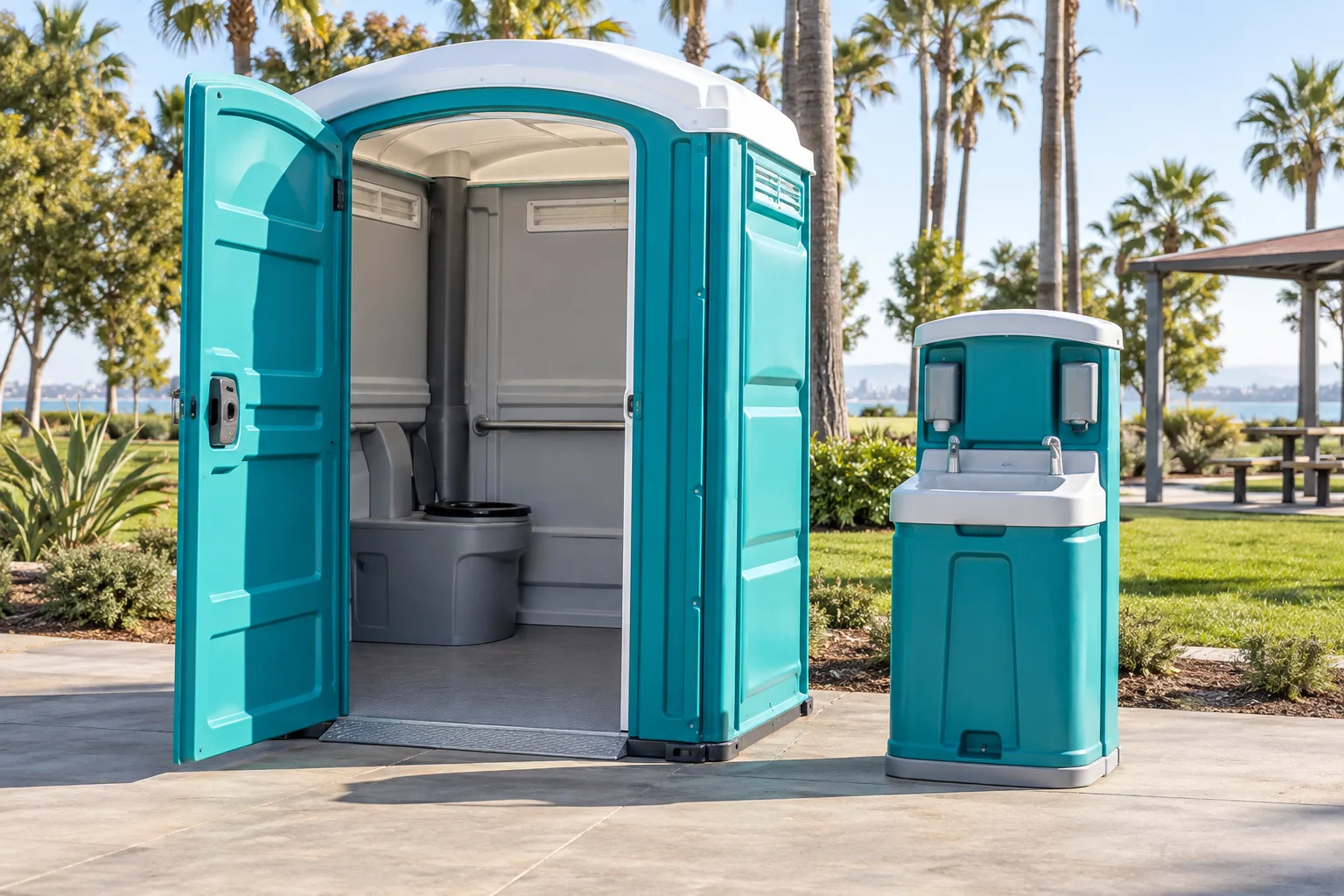
Discuss handwashing when you choose the toilets. A standard unit may require a separate station, and the location of that station should work with normal movement around the site. Confirm the supplies, replenishment arrangements, and responsibilities included in the quote. Do not assume an indoor sink remains available while renovation work affects water, access, or the occupied part of a property.
Consider everyone expected to use the facilities, including visiting supervisors, inspectors, clients, or workers with access needs. Accessible options require model and site review. Your project team should separately confirm any applicable workplace, property, or accessibility requirements with the responsible authority or adviser.
Manage extensions and relocation requests early
Construction schedules can change when one phase takes longer than expected or another begins sooner. Ask at booking how rental extensions are requested, how they are priced, and whether pickup must be actively scheduled. Update the rental team as soon as a new finish date becomes likely. Clear communication helps avoid planning collection around an estimate that no longer matches the job.
If the unit needs to move because of excavation, paving, landscaping, or a new work area, contact the rental team first. Explain the proposed location and access. Do not assume moving the toilet is a routine task for workers or site equipment.
Close out the rental as part of demobilization
Before the project finishes, confirm when restroom use will actually end and when pickup can occur. The last contractor leaving the site and the date a property is ready for collection may differ. Keep entry arrangements active until the equipment has been removed, and avoid blocking the route with final landscaping work or stored materials.
Pricing depends on equipment, rental length, service needs, location, and delivery conditions, so request a quote that reflects the project. Call (949) 844-2660 or email contact@lagunaniguelportapotty.com during regular hours, Monday through Saturday, 7am to 7pm. Confirm any support needed outside those hours directly.
Planning nearby? Explore our Orange County service-area guides or compare all eight rental services.