Identify where handwashing is needed
Walk through the activities taking place on the property. People may need a convenient sink after using a portable toilet, during an outdoor project, or around a managed gathering. Identify the existing sinks and confirm whether they will remain available throughout the rental. An indoor bathroom that requires walking through a private home may not be the arrangement the host or project team intends.
Describe the activity to the rental team without assuming one station will suit every purpose. Food preparation, public events, and organized worksites may have requirements that need confirmation with the responsible organizer or authority. Select equipment around the needs that have actually been established.
Ask about the specific station being offered
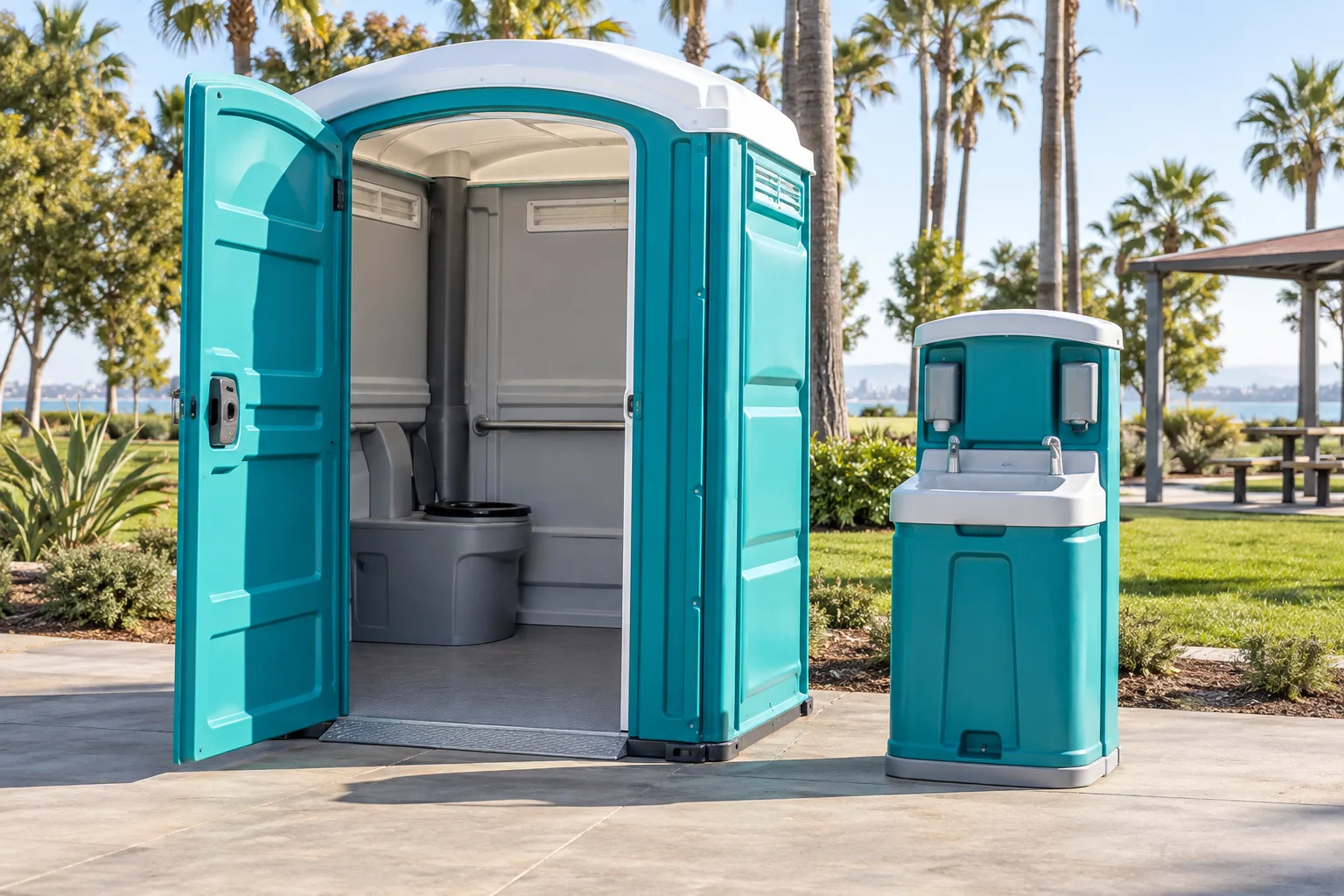
Portable handwashing stations can differ in basin layout, controls, water storage, and supply holders. Ask which features the proposed model includes and how users operate it. Confirm whether the equipment requires an external connection or uses another arrangement. If you have a particular expectation about water temperature or operation, raise it directly rather than assuming it is standard.
Request a clear explanation of the station's intended use and care instructions. The equipment should be understood by the person overseeing the rental, even if someone else will handle daily checks. Knowing what was supplied makes it easier to report a problem accurately and avoid improvised adjustments.
Connect the station to the restroom layout
Place handwashing where it is easy to find after leaving the toilets. Review the path between the two rather than choosing their locations independently. A station positioned behind a barrier, across a busy vehicle route, or far from the restrooms may be inconvenient even when each item has enough space. Leave room for users to approach and leave without blocking toilet doors.
For events, consider where people may wait and whether the station will narrow a guest walkway. At a jobsite, account for tools, materials, and delivery traffic. Simple changes to the layout can make the station easier to use throughout the day.
Review the surface and approach for all users
Choose a firm, reasonably level location and discuss the surface before delivery. Look at the route from nearby activity areas for uneven transitions, slopes, loose material, and obstructions. Laguna Niguel residential sites may have landscaped paths or different yard levels, so a nearby location is not always the most workable one. Photos can help explain these conditions during planning.
Ask about the model's usability for people with different access needs. Basin height, controls, supply placement, and approach conditions may all be relevant. Do not assume any portable station is suitable for every user. Specific accessibility needs require consideration of the equipment and site together.
Confirm water and wastewater responsibilities
Ask how the station's water supply is provided, how used water is managed, and what servicing the rental includes. Make the division of responsibilities clear before the equipment arrives. If the site is expected to provide anything, confirm exactly what is required and whether the proposed location supports that arrangement. Avoid discovering a missing requirement after people begin using the station.
Do not improvise a wastewater disposal method or add unapproved substances to the equipment. Follow the instructions supplied for the actual station and contact the rental team if there is a problem. Where a venue has its own procedures, coordinate those with the agreed rental arrangements.
Keep soap, drying supplies, and waste handling in view
Confirm which supplies come with the rental and how replenishment will work. Ask about soap, hand-drying materials, and any holders or dispensers included in the offered model. A functioning station still needs usable supplies, so nominate someone to notice when attention is needed. Discuss a suitable nearby waste container and who will keep it from interfering with the approach.
If the event team wants signage, ensure it matches the equipment and the site's established instructions. Keep signs readable and placed where they do not obstruct the station. A clear setup helps guests and workers understand where to go without needing individual directions from the organizer.
Match servicing to activity and duration
Explain the expected number of users, operating hours, and whether usage will be steady or concentrated around particular activities. A station supporting an afternoon gathering will be used differently from one serving a project over several weeks. Ask what service visits are proposed, what they include, and how to request an adjustment if the original plan no longer reflects actual use.
Keep the station accessible for the agreed service. Moving it behind tables, temporary fencing, or stored materials can make care more difficult. Report empty supplies, drainage concerns, damage, or operating problems promptly. The person responsible for the site should know how to reach the rental team.
Include the full station rental in your quote
Pricing can depend on the station model, quantity, rental period, delivery arrangements, supplies, and servicing. If you are also renting toilets, ask for the equipment and responsibilities to be described together in the quote. Clarify how changes, extra service requests, extensions, and collection are handled so the plan remains understandable after the initial reservation.
Call (949) 844-2660 or email contact@lagunaniguelportapotty.com to discuss your Laguna Niguel setup. Regular business hours are Monday through Saturday, 7am to 7pm. Share the site address, dates, activities, and placement information, and confirm pickup access before the rental period ends.
Planning nearby? Explore our Orange County service-area guides or compare all eight rental services.