Define what long-term means for your project
Begin with the period you expect to need the restroom and the reason permanent facilities are not suitable. An estimated finish date is useful even when it may change. Explain whether the unit will be used every workday, only during certain activities, or by different groups over time. That information helps frame the equipment and service conversation.
Identify any milestones that may change the rental. A renovated bathroom becoming available, a crew moving to another part of the property, or a temporary operation closing can all affect the end date. Plan a way to communicate those developments instead of leaving the initial estimate untouched.
Choose equipment for repeated everyday use
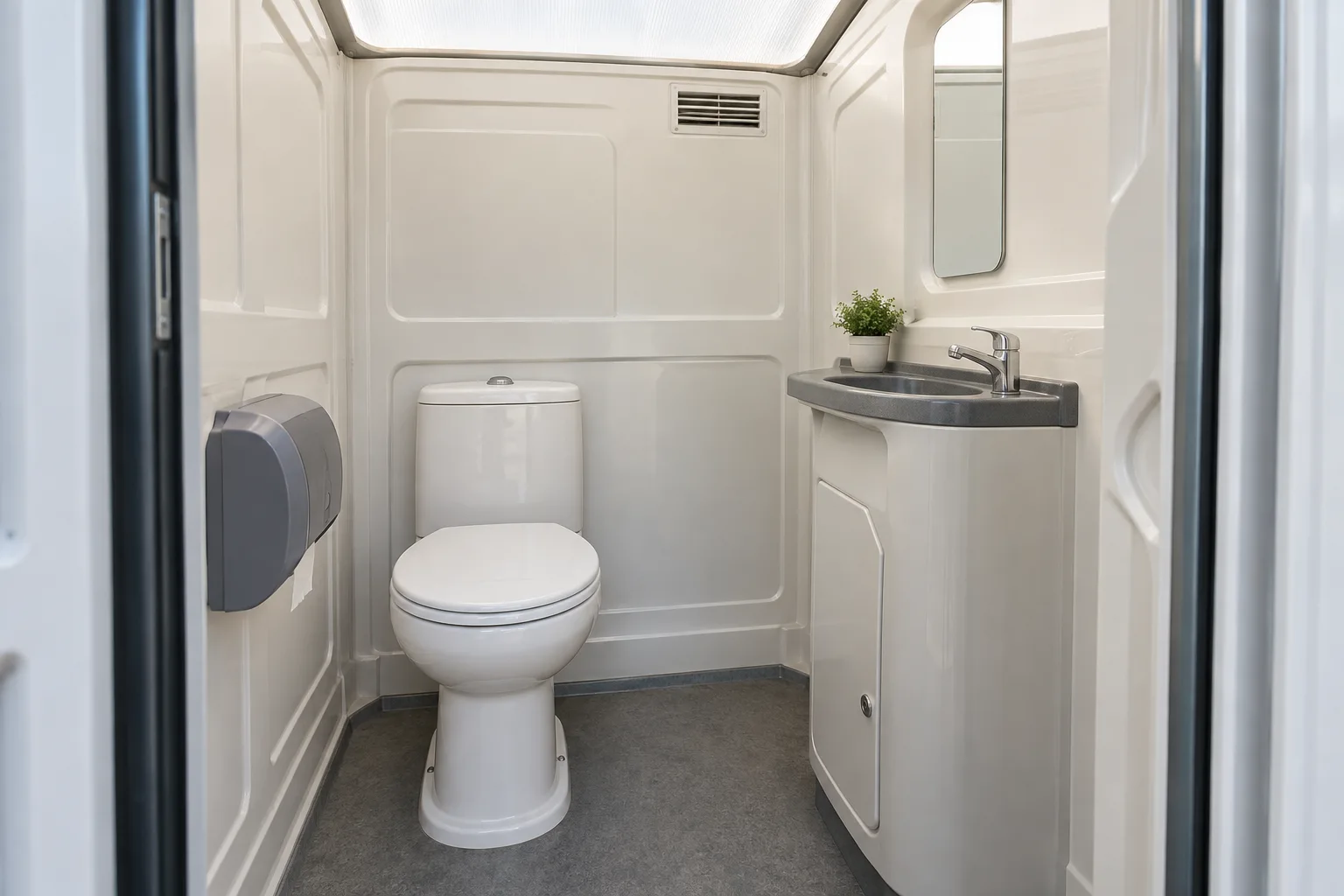
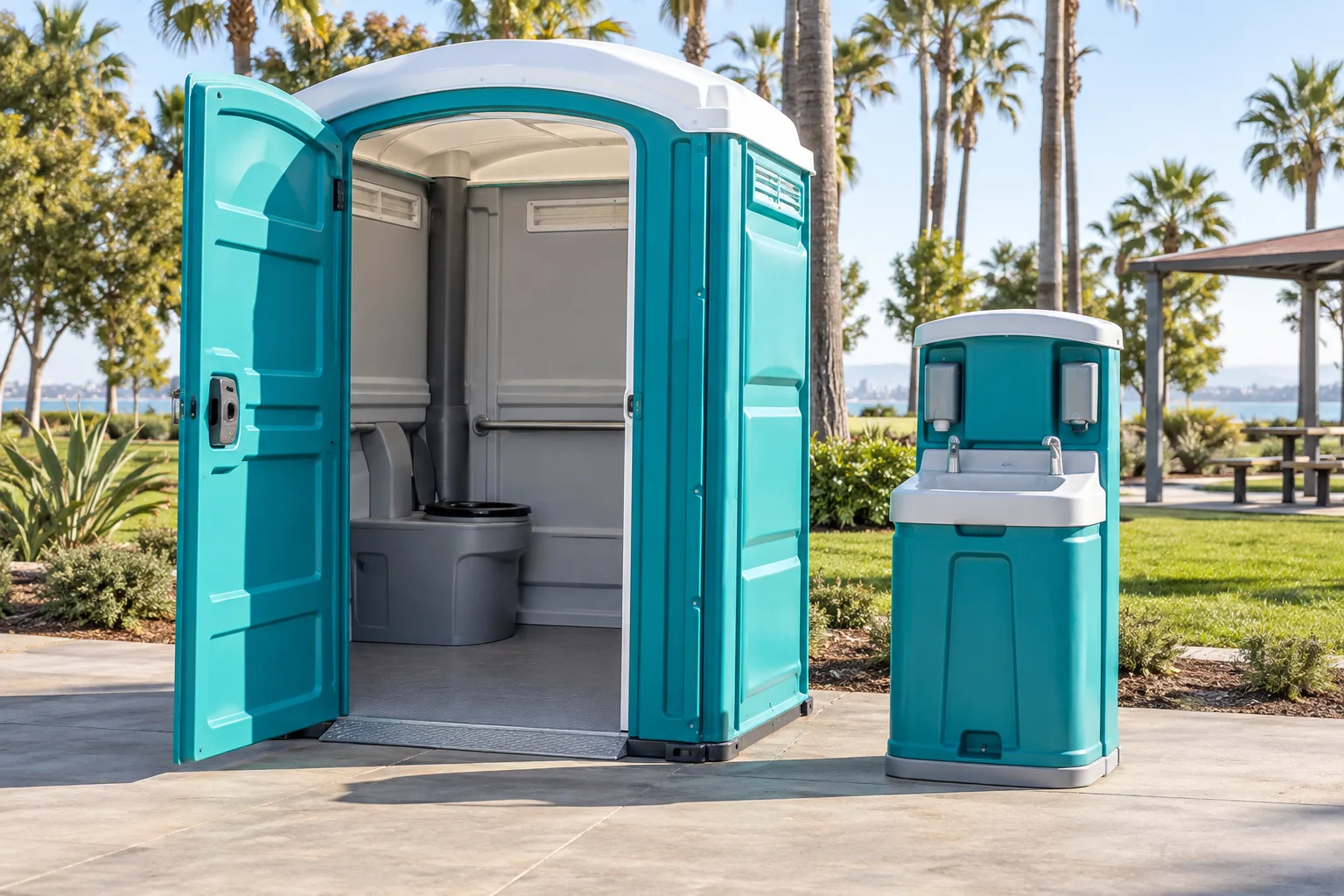
The right long-term option depends on who will use it and what the site requires. A standard toilet may be worth considering for a straightforward work area, while another project may call for different features or a broader combination of equipment. Ask about the actual models, included supplies, and handwashing arrangements before deciding.
Think about comfort and access across the entire rental period. If users have mobility needs, discuss accessible options and review the model and site together. If the user group may change, explain that uncertainty early. A rental chosen for the first week should also be considered against the likely later phases.
Select a location that can remain useful
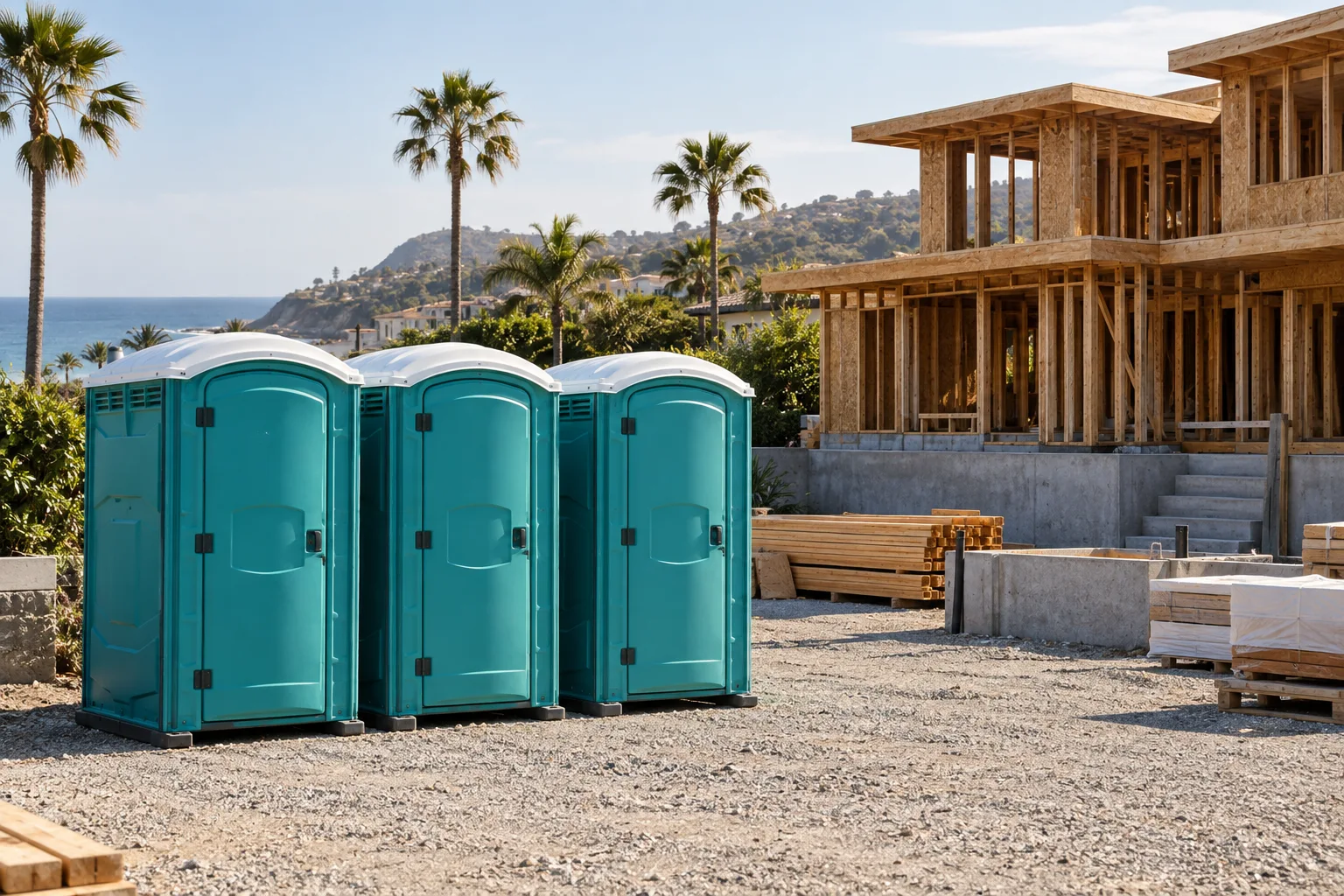
An extended rental benefits from a location that will stay convenient as work proceeds. Review future material deliveries, landscaping, paving, storage needs, and changes to parking. A place that is easy to reach today may be scheduled for work later. Share the expected sequence so placement can be discussed with the broader project in view.
For Laguna Niguel properties, describe slopes, narrow access, shared lanes, and any restrictions set by the property manager. Confirm permission for the proposed location with the appropriate party. Leave a clear user approach and ensure that the location can support the agreed service access for the duration of the rental.
Build a service plan that can be reviewed
Discuss expected usage and ask what recurring service arrangement is proposed. Confirm which activities each visit covers, how supplies are handled, and how access will be provided. A longer rental does not mean usage stays constant. Busy project phases, extra workers, or longer operating hours may call for a review of the original arrangement.
Set a practical habit of noticing whether the plan still fits. The site contact can report changes in use or concerns about the condition of the equipment. Contact the rental team when needs change rather than waiting for the next billing discussion or assuming the original service schedule will always be sufficient.
Keep responsibilities clear as people change
Over several weeks or months, the person who booked the unit may not be the person overseeing the site every day. Name a primary contact and make sure another responsible person understands the basic arrangements. Keep delivery and service instructions, contact information, and rental terms somewhere the team can find them.
When a supervisor or property contact changes, update the rental team. Share new gate procedures or entry hours before they affect a visit. The day-to-day site responsibility includes keeping access open, noticing low supplies or damage, and reporting problems. Repairs and equipment adjustments should be discussed with the rental team.
Understand recurring charges and change requests
Ask how the rental period is billed and which service, supply, delivery, and collection items are included. Confirm how extensions, extra visits, equipment changes, or unsuccessful access attempts may affect the amount due. A written scope makes it easier to understand ongoing costs and compare arrangements that may otherwise use different assumptions.
Describe any likely pause in site activity and ask how that would affect the rental. Do not assume that an idle unit automatically stops incurring charges or changes the service plan. If your project requires internal purchasing approval, keep the agreed terms and contact process with the person managing those decisions.
Plan changes before moving or replacing equipment
Contact the rental team if the unit needs to move, if more equipment may be needed, or if the current model no longer suits the users. Explain the reason and provide the proposed new location or usage pattern. Changes are subject to equipment availability and the practicality of delivery and service.
Do not move the toilet with site equipment or relocate it yourself. A new spot may introduce access, surface, or handling concerns that were not present in the original plan. When another supplier needs the occupied space, coordinate the change early so the restroom remains part of the project schedule.
End the rental with a confirmed collection arrangement
As permanent facilities become available or the project winds down, confirm the last day the portable toilet is needed. Ask how to schedule collection and when the rental period ends under your agreement. Keep the access route open until the equipment has been removed. Finishing the work does not automatically tell the rental team that pickup is ready.
For long-term planning, call (949) 844-2660 or email contact@lagunaniguelportapotty.com. Regular business hours are Monday through Saturday, 7am to 7pm. Share your estimated dates, site address, daily use, and expected project changes. Confirm any support requirements outside regular hours directly before relying on them.
Planning nearby? Explore our Orange County service-area guides or compare all eight rental services.