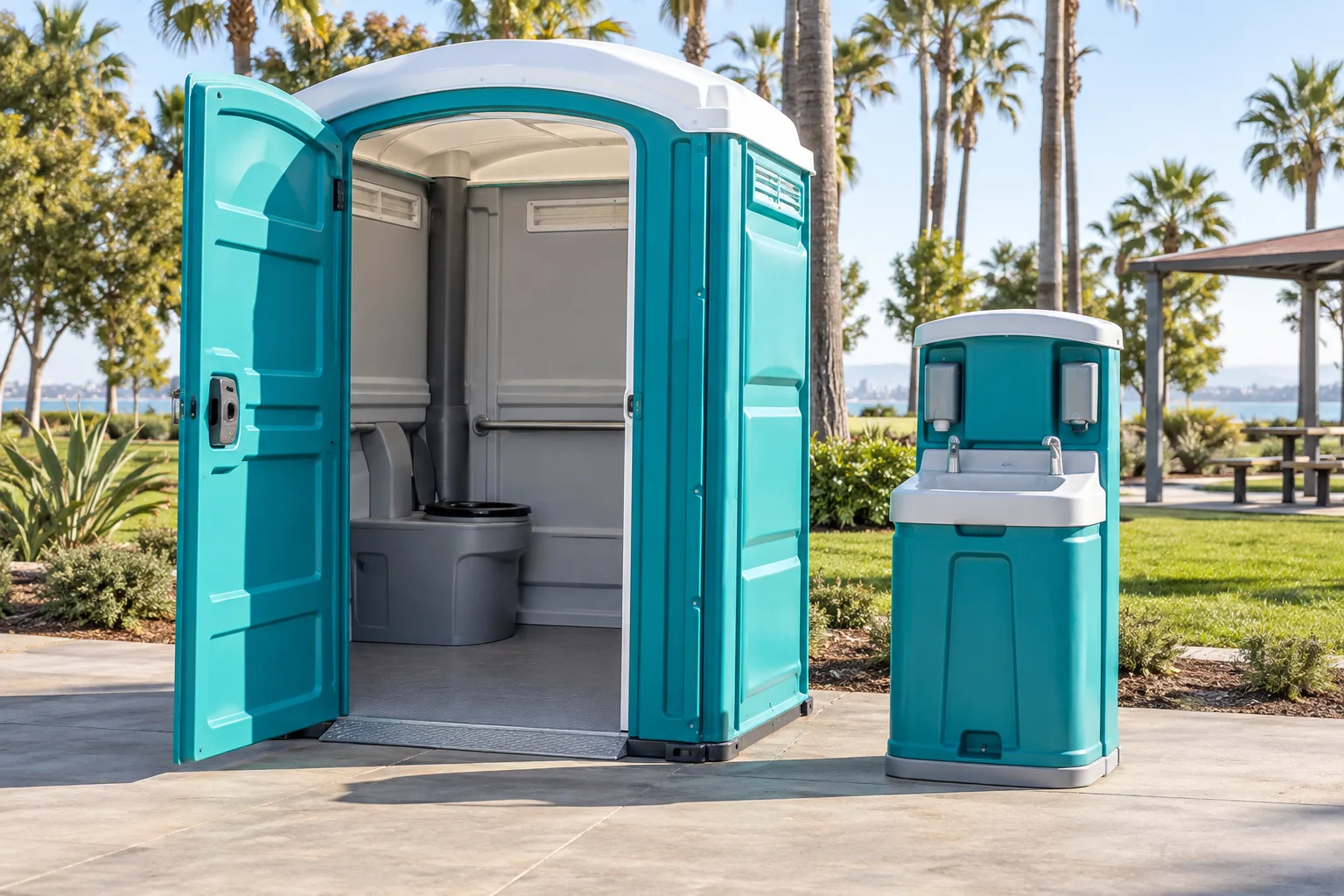
Begin with the guest journey
Start at the places where people arrive: parking, a drop-off area, transit access, or the venue entrance. Trace the route through the main activity and onward to the restrooms. Note where a person must choose between paths, negotiate a surface change, open a gate, or take a detour. A map is useful, but a walk through the real site often reveals missing details.
Ask the organizer how guests can communicate access needs without having to disclose more personal information than necessary. A contact named in event information can collect practical requests before the day. Consider people who use different mobility aids and those who attend with an assistant. Do not assume the needs of a whole group from one attendee's experience.
Ask for the actual equipment information
Request the proposed model's specifications and entry arrangement from the rental coordinator. Marketing descriptions such as spacious, wheelchair-friendly, or premium are not enough to assess the setup. Ask about relevant features, including door operation, interior layout, support features, and the space needed around the entrance. Have the person responsible for accessibility review the details against the intended use.
A restroom trailer requires its own review. Establish whether entry uses steps, a ramp, or another arrangement, and include that equipment in the installed footprint. Confirm the exact model rather than assuming that all trailers have an accessible option. If an accessible configuration is unavailable for the requested dates, resolve an alternative with the venue before the order is finalized.
Evaluate the route and placement together
The U.S. Access Board's guidance on portable toilet units addresses both the facilities and the route and entrance serving them. A unit's description therefore cannot verify the entire event setup. Share the model information, site map, and placement photographs with the venue's responsible reviewer. Ask them to identify the applicable requirements and any work needed before guests arrive.
In practical terms, keep the route free of stored items, unexpected steps, and avoidable detours. Photograph transitions between paving, temporary surfaces, and the entrance area. Do not improvise a ramp from loose boards or assume a mat makes every surface suitable. Have any proposed temporary access solution reviewed and installed appropriately for the equipment and site.
Keep accessibility visible in the event layout
Put accessible restroom locations and routes on the same plan used by catering, production, and other vendors. A carefully reviewed path can be narrowed later by a sign, a table, a cable, or a queue. Show areas that need to remain clear and explain their purpose to the setup team. Check again after everything is installed.
Use understandable directions at the points where guests make a choice. If accessible facilities are in a different location from other restrooms, make that route easy to identify without requiring someone to ask repeatedly. Consider visibility during the actual event hours. Lighting should support finding and using the route without creating new obstructions or interfering with the venue's other activities.
Include handwashing and practical assistance
Review handwashing access with the same care as the restroom. Ask about the station's approach, controls, and placement relative to the route. A convenient restroom followed by an awkward handwashing arrangement leaves the guest journey incomplete. Keep supplies where they can be used as intended and ask the coordinator how the proposed equipment is replenished.
Brief event staff on where the facilities are and whom to contact if access is blocked or equipment needs attention. Staff should offer help respectfully and follow the person's direction rather than assuming what assistance is needed. If a guest reports a problem, address the obstruction or service issue promptly and identify a usable alternative with the venue when necessary.
Verify the setup and keep it usable
Before opening, compare the installed layout with the reviewed plan. Confirm that doors and routes are clear, signs point to the correct location, and no vendor storage occupies needed space. Assign a person to check these conditions during the event as crowds and furniture move. For multi-day events, repeat the walk-through after servicing or any layout change.
When requesting accessible equipment from Laguna Niguel Porta Potty Rentals, provide the address, dates, venue contact, equipment preferences, and photographs of the complete route. Ask for availability and the specific model information before promising a setup to guests. Confirm the placement with the venue's accessibility reviewer and keep the agreed route in the final vendor instructions.
Turn your checklist into a rental plan
Explore our eight portable restroom services, check the guide for your community, or call (949) 844-2660 to discuss your site and dates. Equipment, timing, and pricing are confirmed for each request.